Commercial Waste Enfield – Complaints Procedure
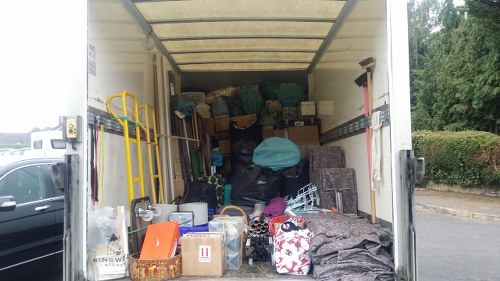 Purpose: This document sets out the formal complaints procedure for Commercial Waste Enfield and related business waste services across the service area. It explains how commercial clients and authorised representatives can raise concerns about collection, disposal, recycling, or any aspect of commercial rubbish and skip services provided. The aim is to ensure that complaints are handled consistently, transparently and with respect for confidentiality while driving continuous improvement in service delivery.
Scope and eligibility: This procedure applies to businesses, landlords, property managers and other organisations using commercial waste collection, trade refuse or mixed commercial recycling services. It covers issues such as missed collections, damaged property, incorrect charges, hazardous waste handling and contractor conduct. It does not replace statutory routes for legal disputes or regulatory reporting, but it does outline the internal route for prompt review and resolution of service-related concerns.
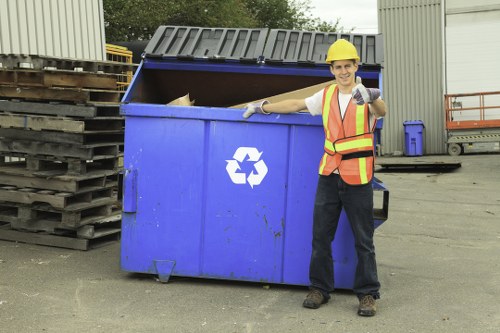 Principles we follow: The handling of complaints is guided by impartiality, clarity, timeliness and proportionality. Each complaint will be treated seriously, investigated fairly and managed in a manner that protects privacy. Complainants will be kept informed about progress and outcomes, and records will be maintained for audit and learning purposes. Our commercial rubbish and business waste teams seek to resolve most issues without undue delay and with clear action plans where necessary.
How to submit a complaint
When submitting a complaint about commercial waste services in Enfield or neighbouring service zones, provide a clear description of the issue, the relevant premises or account reference, dates and times, and any supporting evidence such as photographs or collection records. Complaints may be made verbally through an authorised representative, or in writing; regardless of the channel, the same investigative standards apply. Please indicate preferred outcome or remedy where appropriate to help us focus on practical resolution.
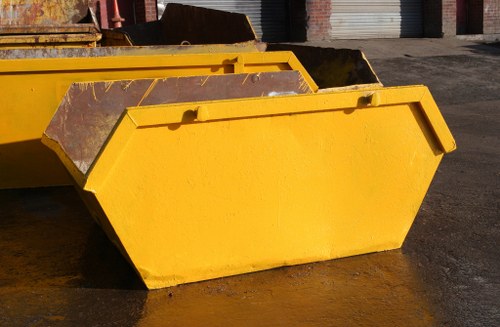 Acknowledgement and initial response: Once a complaint is logged it will be acknowledged within a set internal timeframe. The acknowledgement will confirm who is handling the matter and advise on expected next steps. Initial triage determines whether the issue requires immediate safety action (for example hazardous spill remediation) or a standard service investigation. Timeframes vary by complexity; however, basic enquiries are usually addressed within a few working days, and more complex investigations may take longer.
Investigation procedures include gathering relevant records, interviewing operatives or subcontractors where necessary and reviewing CCTV or route data where available. Typical investigative steps include:
- Verification of service schedule and collection logs
- Inspection reports and photographic evidence
- Consultation with site representatives and crews
- Review of contractual terms relevant to the incident
Resolution, remedies and outcomes
Resolutions may include operational remedies such as re-scheduling a collection, corrective site visits, staff briefings, or process changes to prevent similar issues. Financial remedies, where appropriate, are considered in line with contract terms. Where an apology is warranted it will be issued as part of the formal outcome. All outcomes will be recorded and communicated to the complainant along with any steps taken to mitigate future incidents.
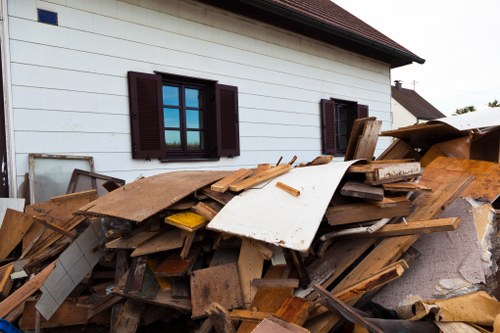 Escalation and review: If you are not satisfied with the outcome of the initial investigation you may request an internal review. This will be carried out by a senior manager who was not involved in the original investigation and who will provide an independent assessment of the matter. The internal review focuses on whether procedures were followed correctly, whether the remedy was reasonable and whether additional steps are required. The review response will set out findings and final conclusions.
 Record-keeping, confidentiality and continuous improvement: All complaints and investigations are recorded and retained for service improvement and compliance. Personal data and commercially sensitive information are handled in accordance with applicable data protection principles. Lessons learned from complaints inform training, contractor performance monitoring and operational adjustments. We monitor complaint trends related to business refuse, trade waste collections and commercial recycling to drive measurable improvements across the service area.
Appeal pathways: Where the internal review is exhausted and the complainant remains unsatisfied, options for external scrutiny may be described in contractual terms or regulatory frameworks applicable to commercial waste services. This procedure does not limit any statutory rights or external remedies that a business may have under consumer protection or contractual law.
Publication and updates: This complaints procedure is published as part of the service terms and is reviewed periodically to reflect operational changes and regulatory developments. It serves as the formal route for managing concerns relating to Enfield commercial waste operations and allied business rubbish services, ensuring transparency and accountability in complaint handling.
Commitment: We are committed to treating every complaint with care and professionalism, to resolving issues promptly, and to using each complaint as an opportunity for better service. Clear records, fair investigation and proportionate remedies are central to how we manage complaints about commercial waste delivery and collection.
