Commercial Waste Enfield — Insurance and Safety for an Insured Rubbish Company
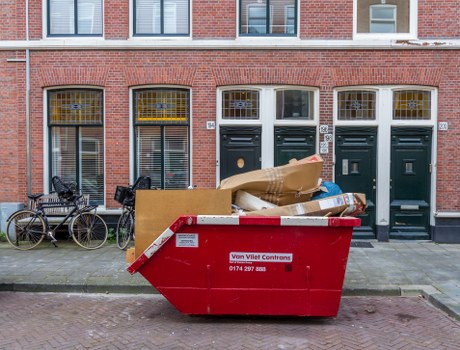 Commercial Waste Enfield operates as a fully insured rubbish company committed to the highest standards of safety and legal compliance. Our approach blends thorough insurance cover with proactive operational controls so clients can rely on an insured waste company that protects people, property and the environment. This page explains how public liability insurance, staff training, personal protective equipment and a robust risk assessment process work together to make commercial waste and rubbish removal safe, professional and dependable.
Public Liability and Employer Insurance
Public liability insurance is central to any respectable insured waste removal company. It provides cover for third-party injury and property damage that may arise from everyday operations: collections, loading and vehicle movements. Our policy levels are set to industry standards so that businesses contracting an insured clearance company have confidence that incidents will be handled professionally and liabilities managed. In addition to public liability, we ensure appropriate motor, goods-in-transit and employer's liability arrangements are in place to protect both staff and clients.
 Policies are accompanied by clear documentation and certificates of insurance which can be produced on request for procurement processes. An insured rubbish collection company must maintain up-to-date endorsements and notify insurers of any change in operational profile. That transparency ensures continuity of cover whether dealing with general commercial waste, construction debris or specialised disposals.
Staff Training: competence for safe waste handling
Competent, well-trained staff are as important as insurance. Our training programme for an insured waste company includes comprehensive induction, task-specific instruction and regular refreshers documented in personnel files. Training topics include manual handling, safe lifting techniques, segregation protocols, vehicle loading best practice and incident reporting procedures. We emphasise a safety-first mindset so every operative understands how to reduce risk for themselves and third parties.
 Training modules are delivered through a mix of classroom, on-site practical assessment and digital learning. Essential topics include:
- Induction and on-site familiarisation
- Manual handling and ergonomics
- Safe vehicle operation and loading
- Hazardous waste awareness
- Emergency procedures and incident escalation
Personal Protective Equipment (PPE)
PPE is supplied, maintained and monitored in line with risk assessments. Our standard provision for an insured waste removal company includes high-visibility clothing, gloves suitable for the waste types handled, safety footwear, eye protection and respiratory protection where required. Supervisors carry spare PPE and check condition at the start of each shift. We apply a strict replacement policy: torn, contaminated or non-compliant items are removed from service immediately.
 Maintenance and correct use are emphasised through toolbox talks and visual prompts on vehicles and at depots. PPE is logged against staff so the insured clearance company can evidence both provision and usage. This approach reduces injury rates and ensures compliance with health and safety legislation relevant to commercial waste operations.
Risk assessment is a continuous, documented process that an insured rubbish collection company integrates into day-to-day operations. The process follows a clear sequence: identify hazards, assess likelihood and severity, decide on controls, implement measures and review effectiveness. We use both generic risk assessments for routine tasks and site-specific assessments for unique client locations. Dynamic risk assessments are carried out when conditions change — for example, adverse weather, unexpected hazards on site or altered vehicle access.
 A typical risk assessment file includes task breakdowns, control measures, responsible persons and review dates. Controls range from administrative (work sequencing, signage) to engineering (barriers, secure loading zones) and personal (PPE, bespoke training). We routinely audit assessments to ensure they remain relevant and to capture lessons from incidents or near-misses.
The insured waste company model also demands emergency preparedness. Spill kits, clinically cleanable equipment, clear vehicle spill procedures and partnerships with licensed disposal facilities form part of our readiness. An insured rubbish company must be able to respond quickly to minimise harm and to evidence procedural compliance to enforcement bodies when required.
Safety management is supported by regular internal audits, third-party inspections and continuous improvement cycles. We measure performance using leading and lagging indicators: training completion rates, PPE inspection outcomes, audit findings, near-miss reports and incident frequency. Where gaps are identified, corrective actions are assigned, implemented and verified to close the loop.
In summary, Commercial Waste Enfield integrates robust insurance cover, targeted staff training, reliable PPE provision and a rigorous risk assessment process to deliver safe, professional waste services. Choosing an insured rubbish company or an insured waste removal company means selecting a partner that manages risk proactively, protects clients and employees, and operates with transparency and accountability across every stage of commercial waste handling.
